
Tape Transfer: Save Recordings Before They Fade
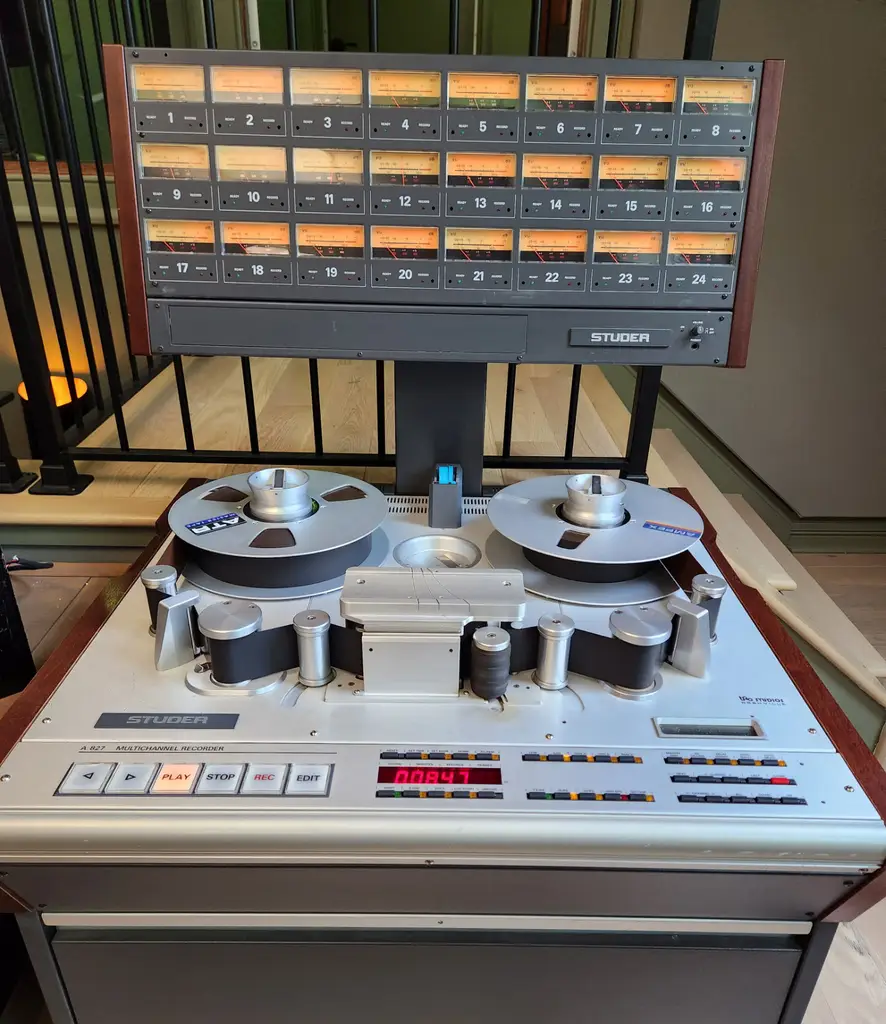
A 2-inch reel can hold the best performance your band ever gave – and no amount of nostalgia will stop tape from aging. Professional tape transfer gets those recordings off a vulnerable physical format and into usable digital files before sticky-shed deterioration, storage conditions, or mechanical failure make the job impossible.
For artists, labels, estates, and catalog owners, this is not simply a file-conversion project. A 1978 24-track reel and a 1980s and a quarter-inch final mix each needs to be evaluated on its own condition. The goal is to preserve what is on the tape, make thoughtful technical decisions, and deliver files you can actually work with now.
What tape transfer really preserves
A tape reel is more than recorded audio. It captures a particular moment in a room: the vocal take before the singer changed the melody, the guitar tone from an amplifier long since sold, or a full band performance could use a some sweetening overdubs and/or a new mix.
That distinction matters. A 1/4-inch stereo mix may need Dolby or dbx decoding, and could be remastered. A 16-track or 24-track session needs its tracks captured on properly-aligned machine with the best AD converters for use in a modern DAW. The latter gives you options: remix the song, repair a noisy vocal entrance, rebalance the drums, or create a new master for release.
Preservation does not mean rewriting history. A good transfer retains the musical character of the original recording, including the natural saturation and tone that folks still like about analog tape.
Why waiting can cost you the recording
Magnetic tape does not expire on a calendar date. Some reels from the 1960s play beautifully, while a tape made in the 1990s likely already has serious problems. Heat, humidity, dust, repeated playback, and poorly wound reels can all create trouble.
But the big issue is binder breakdown, often called sticky-shed syndrome. The tape may squeal, leave residue on machine parts, or refuse to pass smoothly over the heads. In appropriate cases, controlled drying or “baking” can temporarily stabilize the reel for transfer. That is not a home remedy and not every tape needs it, though most now do. Done improperly, it can create more risk than it solves.
Other reels suffer from edge damage, splices that have dried out, print-through, or stretched sections caused by a damaged machine. A transfer engineer cannot manufacture music that is no longer on the tape. What they can do is inspect the reel, treat and restore it carefully, use the right machine setup, and capture the best possible playback before the original deteriorates further.
The practical rule is simple: if the recording matters, do not wait until you need it for a reissue, documentary, or family estate decision. Make the preservation copy while there is still time to make choices. Like, now.
Tape transfer starts with the right machine setup
A reel-to-reel tape is not a universal format. Its width, track layout, speed, equalization standard, and noise-reduction encoding all affect playback. A tape recorded at 15 ips is not treated like a 7.5 ips reel. A 24-track, 2-inch session needs a different machine than a quarter-inch stereo master. Even tapes that look alike can be incompatible.
The right process begins with an evaluation. The engineer identifies the format, examines the physical condition, and checks whether there are notes about speed, track count, tape formula, Dolby, dbx, or other recording details. Original track sheets and box notes are photographed and saved as pdf files.
Playback alignment is equally important. Tape machines require calibration, and the engineer may need to match the original recording’s alignment as closely as possible. Azimuth, head condition, level, and equalization all influence what comes off the tape. A transfer can be technically digital and still sound wrong if those choices are careless.
This is why a consumer reel-to-reel deck, even a good-looking one, is not the answer for an irreplaceable stereo master. First, to play in both directions, it uses a format that won’t play professional tapes properly. And consumer AD converters are inferior to professional ones. Finally, the cheap transports on consumer machines are notorious for dangling tape.
For multitrack tapes, the transfer is usually the start of a production project. Each track is captured into individual WAV files for use in a current DAW. From there, the recording can be mixed with a fresh set of ears.
What to expect from a professional tape transfer
A careful service should make the workflow clear before the reels ship. You should know what formats the studio can handle, how tapes are assessed, what happens if a reel needs restoration, and what files you will receive at the end.
At TRC Studios, the engineer doing the transfer will be Mike or Matt (https://trcstudios.com/about/), not passed through an anonymous intake system. That direct contact is useful when a box contains incomplete labeling, multiple takes, or a session that may deserve mixing after the transfer. A short conversation can prevent a lot of guesswork.
Expect the final delivery to be named clearly and supplied as release-ready or archive-ready digital audio, depending on the project. 48/24 WAV files are the standard choice for preservation and production because they retain full audio quality and work reliably in modern DAWs. MP3s are fine for listening copies, but they should not be your archive or be used for a remix or remaster.
For multitrack projects, the files will have a common start point, be in sync, and be numbered like the tracks on the tape machine. This lets every track line up correctly when imported into a session.
How to prepare your reels for transfer
Do not clean, bake, splice, or rewind questionable tapes yourself just to make them look presentable. Leave fragile media as it is and tell the engineer what you know. If a reel has shed oxide, smells unusual, has visible mold, or arrived with a broken leader, that information belongs in the conversation.
2-inch reels can be shipped in original boxes, if they are in good condition. You can securely tape two, but not more, together and attach the label. 1/4-inch reels can be grouped in a sturdy shipping carton with enough padding to prevent movement. Avoid leaving tapes in a car, garage, attic, or other place subject to major temperature swings before shipment. Keep track sheets, written notes, and reference files together, but do not tape paperwork directly to the reel.
A simple inventory helps: reel number, artist, title, format if known, date, and whether it is a stereo master or multitrack. If you only have guesses, say so. Honest uncertainty is better than a confident label that sends the transfer in the wrong direction.
The digital files are only the first safeguard
Once the transfer is complete, protect the new files with the same seriousness you gave the reel. Keep at least two copies in separate locations, such as a working drive and an additional backup drive stored elsewhere. If the catalog has business, legal, or estate value, maintain a clear inventory that identifies the contents and ownership of each file set.
The strongest time to arrange a transfer is before the tape becomes an emergency. Pull out one reel you have been meaning to hear, gather any notes that belong with it, and let its next playback be the one that gives the music a future.